Deepavali Festival in South India
Deepavali festival is one of the most important festivals of India. It is also known as Diwali. It is a festival of lights. It usually falls around late October or early November on the new moon day. During Deepavali festival, India becomes one of the top family vacation locations in the world.
There exists different myths about this grand festival. Whatever is the story behind this festival celebration, the central theme of all remains as one - Good wins over Evil.
Diwali is a 3-day festival in South India. Generally, in Karnataka it is called as Bali Paadyami to mark the annual visit of King Bali, to see his subjects. Diwali celebration in Tamil Nadu is to commemorate the killing of Narakasura, the demon king, by Lord Krishna. They also consider this occasion as Festival of Wealth and Prosperity. (Read this article too about Deepavali)
In Kerala, it is celebrated as the victorious return of Lord Rama to his kingdom, but not a major festival like the other parts of South India. In Andhra Pradesh also this festival is celebrated.
Preparations for the celebration of this festival start weeks before with the spring cleaning of the home, and by purchasing new clothes and ornaments. Shopping for crackers and sparklers is special occasion especially for the kids.
Deepavali Festival - Celebration
For Deepavali festival, the houses go through a thorough cleaning to welcome Goddess Lakshmi. On the main festival day the houses are decorated with artistically laid kolams. The doorways are adorned with garlands of mango leaves and marigolds, known as "torans". New clothes are bought and the womenfolk make various sweets, which vary from State to State.
The celebration starts in the very early morning. They wake up very early (4.00 a.m) at Brahmamuhurtham, and take oil bath with seasame oil. It is a customary belief that having an oil bath so early in the morning on the day of Diwali is equivalent to taking bath in the sacred river Ganges. In South India, especially in Tamil Nadu, people greet each other on this day by asking "Have you performed your Ganga Snaanam?".
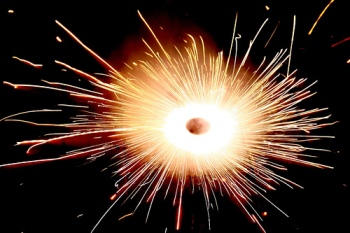
After the bath, they wear the new clothes and put on their ornaments. Then the children start bursting crackers, symbolising the killing of the demon king Narakasur. Then puja is performed to the family deities before breakfast and offer the Neivedyam. Many visit the temples to seek God's blessings.
Special sweets are made during Deepavali festival, to rejoice the occasion. The other items prepared during this festival are ukkarai, velli appam, idly, chutney, sambhar, omapudi and boondhi. For lunch, jangri, pathir peni, or one variety of the poli are made. In Karnataka, different type of sweets are made.
In the evenings of Deepavali festival, deepas, also called as diyas, are lighted and kept in the corridors of each house, welcoming Goddess Lakshmi for wealth and prosperity. It is followed by bursting crackers and lighting colorful sparklers.
There is another belief in some areas that the departed souls return during this time. As a mark of respect to them, their favorite foods are prepared and placed on banana leaves before photographs of the departed, and offer prayers to them.
Many business people open new account books on this day. They distribute sweets and gifts to their staff.
It is also a day to forget and forgive, removing the darkness from our minds and illuminate it with love and kindness for all.
Why do we celebrate such festivals?
Festival celebrations in India strengthen the family unity and social relationships.. Indians staying abroad like New Zealand, USA, UK and many other countries, also celebrate this glittering Deepavali festival with great enthusiasm and excitement.
Among the Family Vacation Destinations, India has an important place in the list, especially during such festivals.
Return to South India Festivals


Sep 06, 21 10:58 AM Sep 06, 21 10:46 AM Sep 06, 21 03:17 AM Jul 19, 21 09:05 PM




Recent Articles


South India Hill station Tour
Tourist Places in South India
Lepakshi Temple
Koodal Manickyam Temple