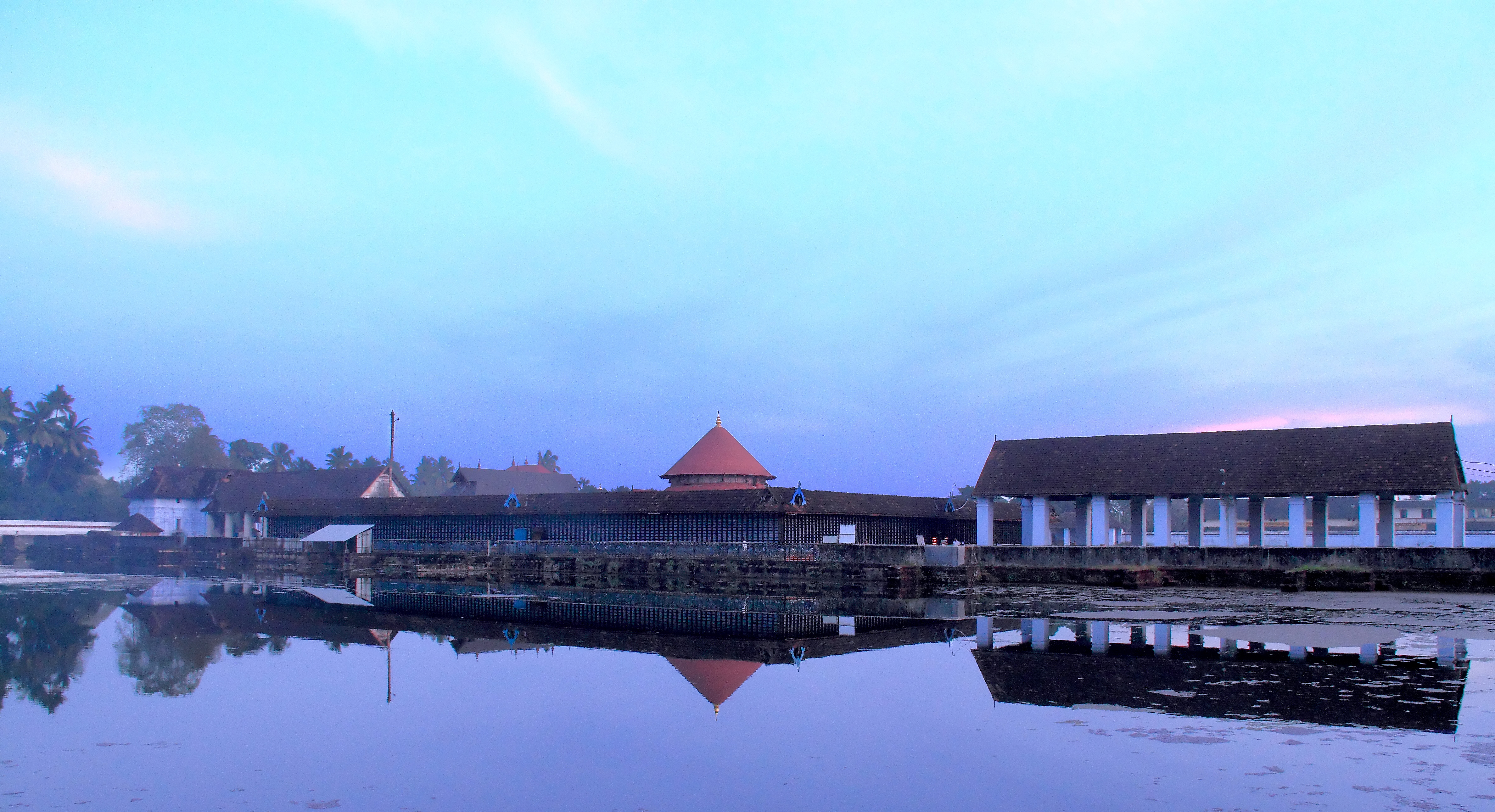
Pulicat Lake of Tamil Nadu
Pulicat Lake of Tamil Nadu is the second largest `brackish water lagoon` in India. It is also known as Pazhaverkaadu, and close to Chennai city.
Pulicat Lake, Tamil Nadu
Situated on the Coromandel Coast of south eastern parts of Indian continent, this beautiful lake is almost 60 kms long, narrow, and widely varies in area with the tides and cyclic rainfall, from `460 km in high water to 250 km in low water`. This shallow lake is the favorite resting ground for the migratory birds.
This placid lake is an example of `nature-tourism' at its best, and boasts of a rich biodiversity. It is a well known picnic spot to refresh both the soul and body. Floating on the lagoon is an amazing experience.
The main migratory birds at Pulicat Lake are Flamingos. Other birds are Pelicans, Kingfishers, Herons, Painted Storks, Spoonbills and Ducks. No wonder it is also known as a bird watcher’s haven.
Your can see the over-loaded ferry boats transporting fisherfolk to the villages on the seaside, boats landing fish-catches, tribal women hand-picking prawns, bullock-carts traversing these waters and tourists bargaining, etc at the fascinating Pulicat backwater.
The Pulicat Town houses an ancient Dutch cemetery, which is looked after by the Archaeological Survey of India. . The Dutch built a fort here in the year 1609, to ensure a comfortable stay at the Coromandel Coast. It was later occupied by the British in 1825. After independence, the fort became a part of Madras state of India, which was later renamed as Tamil Nadu, in 1968.
The lake is separated from the Bay of Bengal, by a strip of land which comprises of the Pulicat town. There is also a light house on the opposite side of the lake.
In mid December, the Flamingo festival is held here by the Tourism Development Board.
Pulicat is also famous for its fresh seafood and various small scale entrepreneurs emerging from the villages.
You will enjoy this place, a wonderful gift of nature, if you go there as a group.
Return from Pulicat Lake to Waterfalls-Lakes


Sep 06, 21 10:58 AM Sep 06, 21 10:46 AM Sep 06, 21 03:17 AM Jul 19, 21 09:05 PM




Recent Articles


South India Hill station Tour
Tourist Places in South India
Lepakshi Temple
Koodal Manickyam Temple